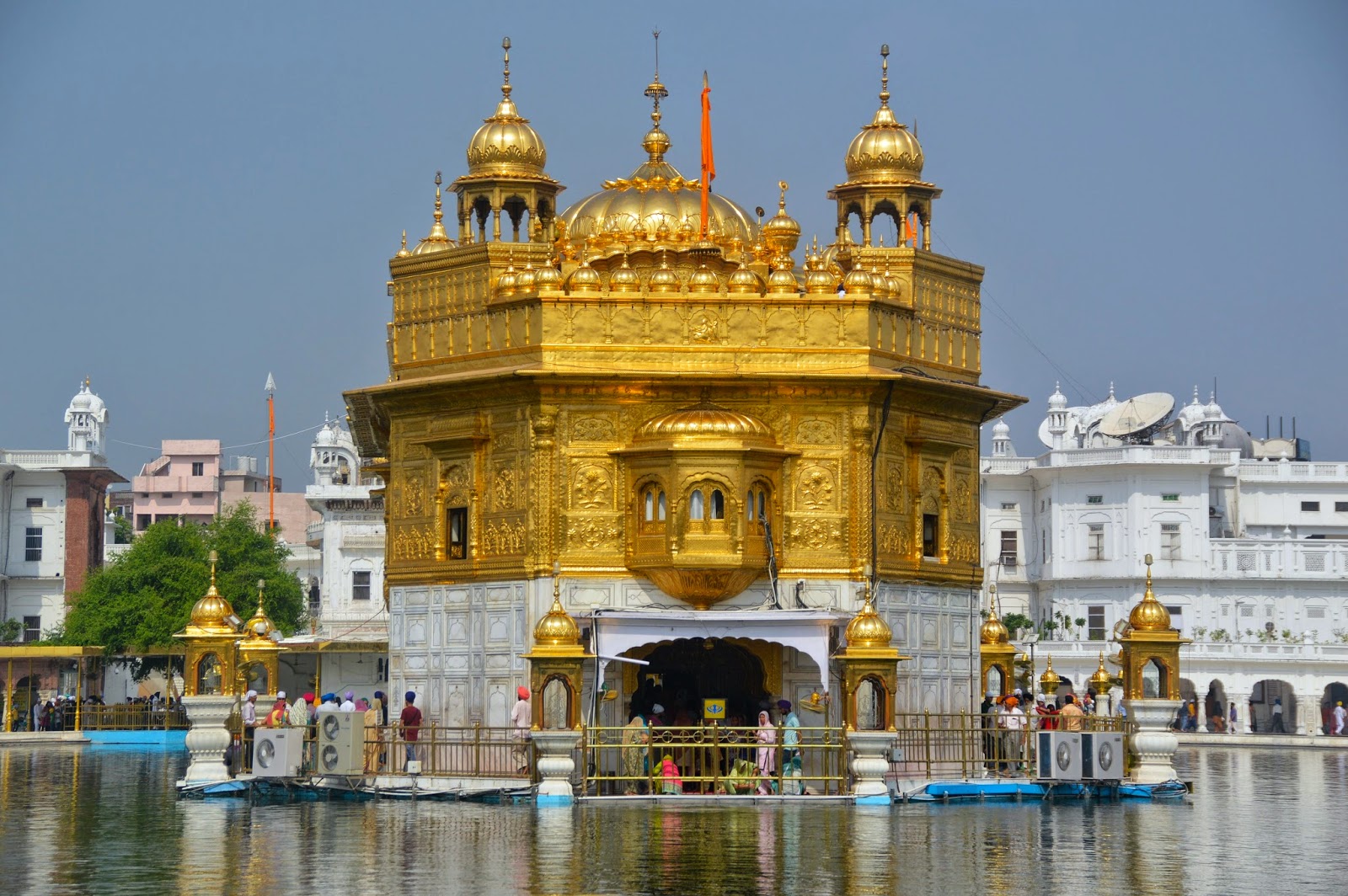
Suvarna Mandir, also known as the Golden Temple, is one of the most sacred pilgrimage sites for Sikhs, located in the city of Amritsar, Punjab, India. It is considered the holiest Gurdwara, the Sikh place of worship, and was built in the 16th century by the fourth Sikh guru, Guru Ram Das. The temple is known for its stunning architecture, which features a gold-plated dome and intricate marble carvings.
The Suvarna Mandir is not only a religious site, but also a symbol of peace and unity. It is open to people of all faiths and backgrounds, and visitors can come to pray, meditate, or simply admire the beauty of the temple. The temple complex also includes a large pool called the Sarovar, where pilgrims can bathe in the holy water. The Suvarna Mandir is a must-see destination for anyone visiting India, and it is sure to leave a lasting impression.
Here are some of the main topics that are covered in the main article on the Suvarna Mandir:
- The history of the Suvarna Mandir
- The architecture of the Suvarna Mandir
- The religious significance of the Suvarna Mandir
- The cultural significance of the Suvarna Mandir
- The economic impact of the Suvarna Mandir
Suvarna Mandir
The Suvarna Mandir, also known as the Golden Temple, is one of the most sacred pilgrimage sites for Sikhs. It is located in the city of Amritsar, Punjab, India. The temple is known for its stunning architecture, which features a gold-plated dome and intricate marble carvings. Here are 8 key aspects of the Suvarna Mandir:
- History: The Suvarna Mandir was built in the 16th century by the fourth Sikh guru, Guru Ram Das.
- Architecture: The temple is a blend of Hindu and Islamic architectural styles.
- Religion: The Suvarna Mandir is the holiest Gurdwara, the Sikh place of worship.
- Culture: The temple is a symbol of peace and unity, and it is open to people of all faiths and backgrounds.
- Economics: The Suvarna Mandir is a major tourist destination, and it generates a significant amount of revenue for the local economy.
- Society: The temple is a place where people from all walks of life can come to pray, meditate, or simply admire the beauty of the architecture.
- Politics: The Suvarna Mandir has been a site of political and religious conflict over the years.
- Environment: The temple is located on a man-made island in the middle of a large pool of water, creating a serene and peaceful environment.
These 8 key aspects provide a comprehensive overview of the Suvarna Mandir. The temple is a unique and important place that has played a significant role in Sikh history, culture, and society.
History
The construction of the Suvarna Mandir in the 16th century by Guru Ram Das, the fourth Sikh guru, marked a significant milestone in Sikh history. It established a central place of worship for the Sikh community and became a symbol of their faith. The temple's design and architecture reflect the Sikh values of equality, humility, and service.
- Historical Significance: The Suvarna Mandir is a living testament to the Sikh faith's early history. Its construction during a period of religious and political turmoil demonstrates the resilience and determination of the Sikh community.
- Architectural Heritage: The temple's unique architectural style, blending elements from both Hindu and Islamic traditions, showcases the cultural diversity and syncretic nature of Sikhism.
- Spiritual Center: The Suvarna Mandir has served as the spiritual heart of the Sikh community for centuries. It is a place where Sikhs from all over the world come to pray, meditate, and connect with their faith.
- Symbol of Unity: The temple's open and welcoming nature, regardless of caste, creed, or religion, reflects the Sikh principle of universal brotherhood and equality.
In conclusion, the construction of the Suvarna Mandir in the 16th century by Guru Ram Das was a pivotal event in Sikh history, establishing a central place of worship, showcasing the community's resilience, and embodying the Sikh values of equality, humility, and service.
Architecture
The Suvarna Mandir's architecture is a unique blend of Hindu and Islamic architectural styles, reflecting the cultural and historical influences that shaped Sikhism. This architectural fusion is evident in various elements of the temple's design and structure:
- Hindu Influences: The temple's overall design, with its square shape and central dome, draws inspiration from traditional Hindu temple architecture.
- Islamic Influences: The use of arches, minarets, and domes in the temple's design showcases the influence of Islamic architecture.
The harmonious blending of these architectural styles in the Suvarna Mandir symbolizes the Sikh faith's syncretic nature, which incorporates elements from both Hinduism and Islam. This unique architectural style has become an iconic representation of Sikhism and a testament to the cultural diversity of India.
Understanding the architectural significance of the Suvarna Mandir provides insights into the historical and cultural context of Sikhism. It highlights the open and inclusive nature of the Sikh faith, which embraces diverse influences while maintaining its distinct identity. Furthermore, it showcases the architectural ingenuity and creativity that went into the temple's design, creating a visually stunning and spiritually uplifting space.
Religion
The Suvarna Mandir, also known as the Golden Temple, is the holiest Gurdwara, or Sikh place of worship, for Sikhs around the world. Its religious significance is deeply intertwined with the history, beliefs, and practices of Sikhism, making it a central and revered part of the Sikh identity.
One key aspect of the Suvarna Mandir's religious importance lies in its association with the Sikh Gurus. The temple was built by the fourth Sikh Guru, Guru Ram Das, in the 16th century, and it has since been visited and revered by all subsequent Sikh Gurus. This association lends the temple a profound spiritual significance for Sikhs, who regard it as a sacred and holy place.
Furthermore, the Suvarna Mandir is considered the embodiment of the Sikh faith's core principles. The temple's open and welcoming nature, where people of all religions and backgrounds are treated as equals, reflects the Sikh belief in universal brotherhood and equality. The temple's central location in the city of Amritsar, a major pilgrimage site for Sikhs, further enhances its religious importance.
In conclusion, the religious significance of the Suvarna Mandir as the holiest Gurdwara for Sikhs is deeply rooted in its historical association with the Sikh Gurus, its embodiment of Sikh principles, and its central role in Sikh pilgrimage and worship.
Culture
The Suvarna Mandir's cultural significance is deeply intertwined with its role as a symbol of peace, unity, and inclusivity. Its open and welcoming nature, where people of all religions and backgrounds are treated as equals, reflects the Sikh belief in universal brotherhood and equality.
This cultural aspect of the Suvarna Mandir is not only symbolic but also has practical implications. The temple serves as a place where people from diverse backgrounds can come together to pray, meditate, and connect with their spirituality. This fosters a sense of community and understanding, breaking down barriers of religion, caste, and social status.
The Suvarna Mandir's cultural significance extends beyond its walls and into the wider community. It has played a significant role in promoting interfaith dialogue and harmony in India. The temple's message of peace and unity has resonated with people of different faiths, creating a space for respectful coexistence and cooperation.
In conclusion, the Suvarna Mandir's cultural significance as a symbol of peace, unity, and inclusivity is deeply embedded in its Sikh origins and has had a profound impact on both the Sikh community and the wider society. It serves as a reminder of the importance of embracing diversity and fostering a culture of mutual respect and understanding.
Economics
The Suvarna Mandir's economic significance is deeply intertwined with its religious and cultural importance. Its status as a major tourist destination attracts a large number of pilgrims and visitors from around the world, generating a substantial amount of revenue for the local economy of Amritsar and the surrounding region.
The influx of tourists has led to the development of a thriving tourism industry in Amritsar, comprising hotels, restaurants, transportation services, and souvenir shops. This economic activity provides employment opportunities for local residents and contributes to the overall prosperity of the city.
Furthermore, the Suvarna Mandir's economic impact extends beyond direct tourism revenue. The presence of a large number of visitors has stimulated the growth of other sectors, such as handicrafts, food processing, and transportation. This economic multiplier effect contributes to the overall economic development of the region.
In conclusion, the Suvarna Mandir's economic significance is closely linked to its religious and cultural importance. Its status as a major tourist destination generates substantial revenue for the local economy, creating employment opportunities and fostering the growth of various sectors. Understanding this economic impact highlights the interconnectedness of religious, cultural, and economic spheres and the broader role that the Suvarna Mandir plays in the socio-economic development of the region.
Society
The Suvarna Mandir is a place where people from all walks of life can come to pray, meditate, or simply admire the beauty of the architecture. This is one of the key aspects that makes the Suvarna Mandir so significant. It is a place where people of all religions, castes, and socioeconomic backgrounds can come together in peace and harmony. This is a reflection of the Sikh faith's emphasis on equality and universal brotherhood.
The Suvarna Mandir's open and welcoming nature has had a profound impact on society. It has helped to break down barriers between people and create a more inclusive and tolerant society. The temple has also been a source of inspiration for social reformers and activists, who have used its message of peace and equality to fight for justice and human rights.
The Suvarna Mandir is a powerful symbol of hope and unity. It is a place where people can come together to celebrate their shared humanity and work towards a better future for all.
Politics
The Suvarna Mandir has been a site of political and religious conflict over the years. This is due to its importance as a religious and cultural center for Sikhs. The temple has been a target of attacks by both Hindu and Muslim extremists, and it has also been used as a base for political protests and demonstrations.
- Religious Conflict: The Suvarna Mandir has been a site of conflict between Sikhs and Hindus, as well as between Sikhs and Muslims. In 1984, the temple was attacked by the Indian Army, resulting in the deaths of thousands of Sikhs. This event led to a period of violence and unrest in Punjab, and it continues to be a source of tension between the two communities.
- Political Conflict: The Suvarna Mandir has also been used as a base for political protests and demonstrations. In 1982, the temple was occupied by Sikh separatists, who demanded an independent Sikh state. This occupation led to a military operation by the Indian government, which resulted in the deaths of hundreds of Sikhs.
- Cultural Conflict: The Suvarna Mandir has also been a site of cultural conflict. The temple's unique architecture and design have been criticized by some Hindus, who believe that it is too ostentatious. This criticism has led to tensions between Sikhs and Hindus, and it continues to be a source of debate.
- Economic Conflict: The Suvarna Mandir is a major tourist destination, and it generates a significant amount of revenue for the local economy. However, this economic activity has also led to conflict between Sikhs and Hindus. Some Sikhs believe that the temple is being commercialized, and they have protested against the development of tourist facilities around the temple.
The Suvarna Mandir is a complex and contested site. It is a place of great religious and cultural significance, but it has also been a site of violence and conflict. The temple's history is a reminder of the tensions that can exist between religion, politics, and culture.
Environment
The serene and peaceful environment of the Suvarna Mandir is an integral part of its spiritual significance. The temple is located on a man-made island in the middle of a large pool of water, creating a sense of tranquility and isolation from the bustling city around it. This environment is conducive to meditation and reflection, and it helps to create a sense of peace and harmony within the temple.
The pool of water surrounding the temple is also known as the "Sarovar", and it is considered to be a holy body of water. Pilgrims often bathe in the Sarovar, as it is believed to have healing properties. The Sarovar also serves as a source of irrigation for the surrounding gardens and fields.
The Suvarna Mandir is a beautiful and inspiring place, and its serene environment is one of its most important features. This environment helps to create a sense of peace and tranquility, which is essential for spiritual reflection and growth.
FAQs about Suvarna Mandir
The Suvarna Mandir, also known as the Golden Temple, is one of the most sacred pilgrimage sites for Sikhs. It is located in the city of Amritsar, Punjab, India. Here are answers to some frequently asked questions about the Suvarna Mandir:
Question 1: What is the history of the Suvarna Mandir?The Suvarna Mandir was built in the 16th century by the fourth Sikh guru, Guru Ram Das. It was originally a small temple, but over the centuries it has been expanded and renovated many times. The temple's current appearance dates back to the 19th century.
Question 2: What are the architectural features of the Suvarna Mandir?The Suvarna Mandir is a unique blend of Hindu and Islamic architectural styles. The temple is built on a square platform and has a central dome that is covered in gold leaf. The temple's exterior is decorated with intricate carvings and colorful tiles.
Question 3: What is the religious significance of the Suvarna Mandir?The Suvarna Mandir is the holiest Gurdwara, or Sikh place of worship. It is a place where Sikhs come to pray, meditate, and learn about their faith. The temple is also a symbol of Sikh unity and equality.
Question 4: What is the cultural significance of the Suvarna Mandir?The Suvarna Mandir is a symbol of peace and harmony. It is a place where people of all religions and backgrounds are welcome. The temple is also a center for Sikh culture and learning.
Question 5: What is the economic impact of the Suvarna Mandir?The Suvarna Mandir is a major tourist destination, and it generates a significant amount of revenue for the local economy. The temple also provides employment for many people in the surrounding area.
Question 6: What is the future of the Suvarna Mandir?The Suvarna Mandir is a UNESCO World Heritage Site, and it is protected by law. The temple is likely to continue to be a major pilgrimage site and tourist destination for many years to come.
These are just a few of the many questions that people have about the Suvarna Mandir. The temple is a complex and fascinating place, and it is worth learning more about its history, architecture, religion, and culture.
The Suvarna Mandir is a truly unique and special place. It is a place of peace and beauty, and it is a symbol of hope and unity for people all over the world.
Tips for Visiting Suvarna Mandir
The Suvarna Mandir, also known as the Golden Temple, is one of the most sacred pilgrimage sites for Sikhs. It is located in the city of Amritsar, Punjab, India. Here are five tips for visiting the Suvarna Mandir:
Tip 1: Respect the sanctity of the temple.
The Suvarna Mandir is a holy place for Sikhs, so it is important to be respectful when visiting. This means removing your shoes before entering the temple, covering your head, and dressing modestly.
Tip 2: Be prepared for crowds.
The Suvarna Mandir is a popular tourist destination, so it is important to be prepared for crowds. The best time to visit is early in the morning or late in the evening, when the crowds are smaller.
Tip 3: Take your time.
The Suvarna Mandir is a beautiful and inspiring place, so it is important to take your time and soak in the atmosphere. Walk around the temple, visit the museum, and take some time to meditate or pray.
Tip 4: Be respectful of the langar.
The langar is the free kitchen that serves food to all visitors to the Suvarna Mandir. It is a sacred tradition, so it is important to be respectful when eating in the langar. This means eating quietly and not wasting food.
Tip 5: Learn about Sikhism.
Visiting the Suvarna Mandir is a great opportunity to learn about Sikhism. There are many resources available to help you learn about the Sikh faith, including books, websites, and guided tours.
By following these tips, you can have a meaningful and respectful visit to the Suvarna Mandir.
Conclusion
The Suvarna Mandir is a truly unique and special place. It is a place of peace and beauty, and it is a symbol of hope and unity for people all over the world. Visiting the Suvarna Mandir is a life-changing experience, and it is something that everyone should do at least once in their lifetime.
Conclusion
The Suvarna Mandir, also known as the Golden Temple, is one of the most sacred pilgrimage sites for Sikhs. It is a place of peace, beauty, and unity, and it is a symbol of hope for people all over the world. The temple's history, architecture, religion, and culture are all fascinating and inspiring, and it is a place that everyone should visit at least once in their lifetime.
The Suvarna Mandir is a reminder that we are all connected, and that we can all live together in peace and harmony. It is a place where people of all religions and backgrounds are welcome, and where everyone is treated with respect and compassion. The Suvarna Mandir is a beacon of hope in a world that is often full of darkness, and it is a place where we can all find peace and inspiration.
Unlocking The Secrets Of Robert Cano: A Journey Of Excellence And Inspiration
Unveil The Secrets Of Seafaring: Discover The Enigmatic Baby Feriosa
Discover The Secrets Of "Scotty With The Body" For An Irresistible You