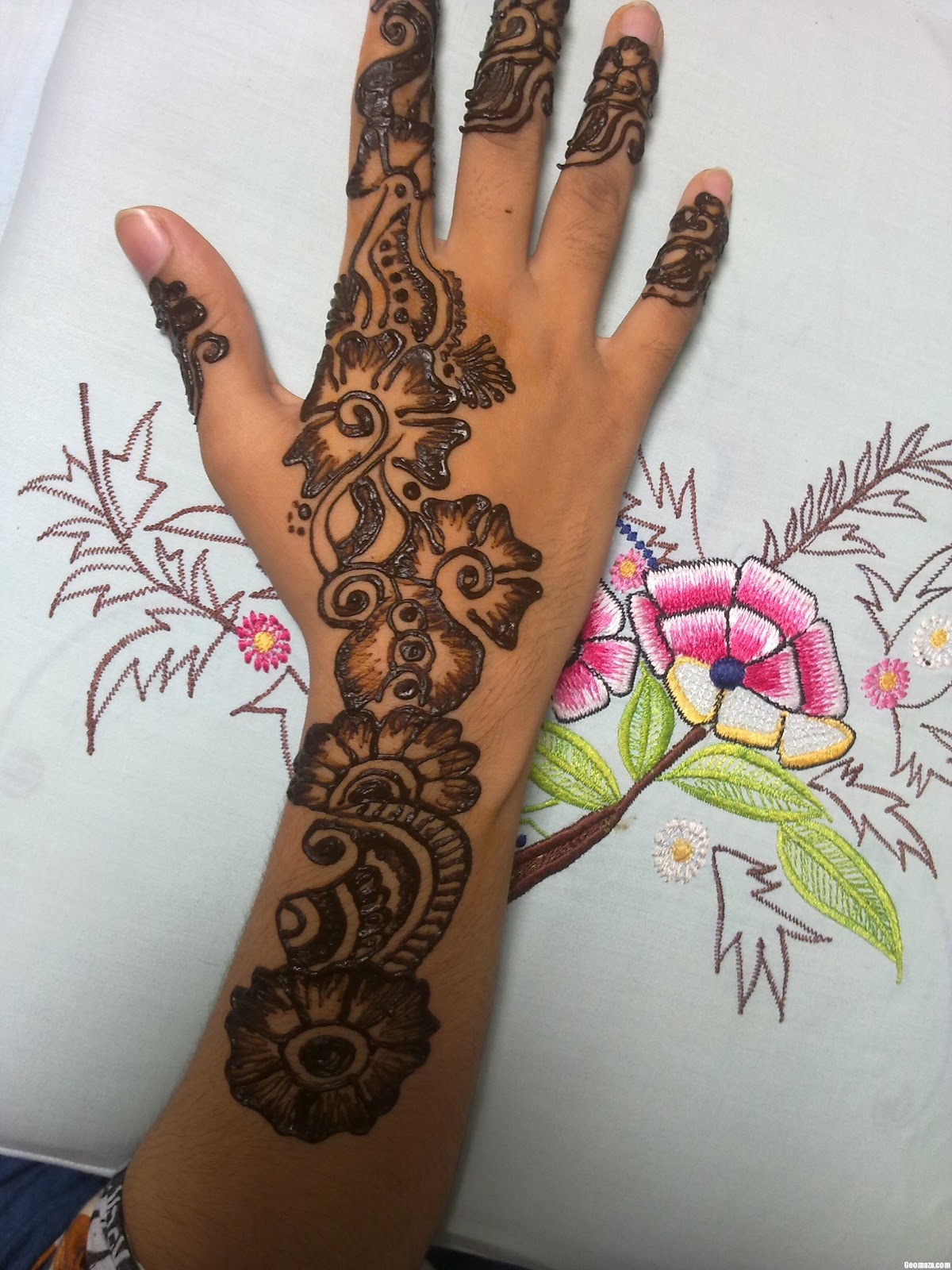
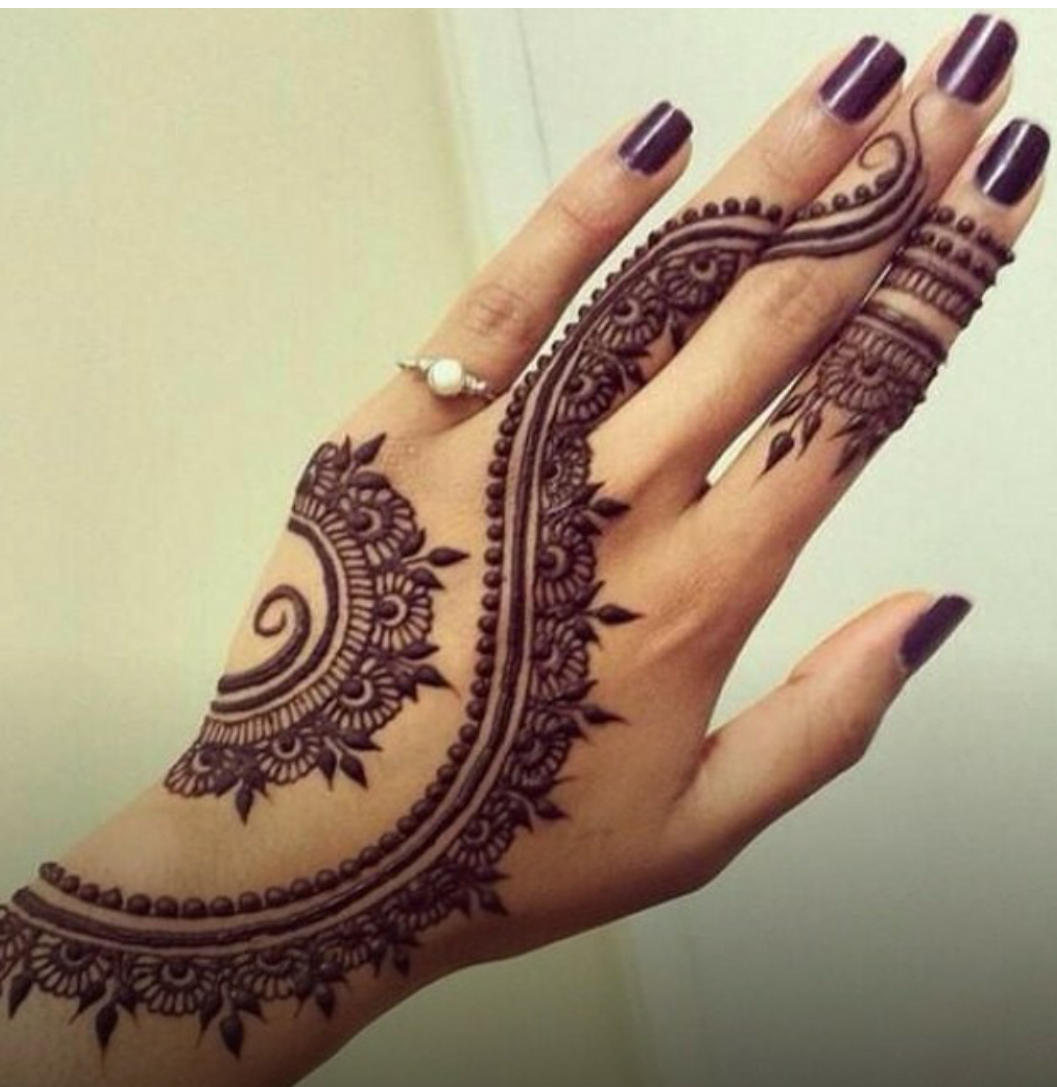
Mehndi designs are intricate patterns created using henna paste applied to the skin, traditionally practiced in South Asian, Middle Eastern, and African cultures. These designs hold cultural and ceremonial significance, often adorning brides during weddings and adorning hands and feet for festivals and special occasions.
Mehndi designs are not just beautiful, but also carry symbolic meanings. The henna plant is believed to have cooling and medicinal properties, and the designs are often associated with fertility, joy, and prosperity. Mehndi is a form of temporary body art that can last for several weeks, gradually fading away as the skin sheds.
In modern times, mehndi designs have gained popularity worldwide, transcending cultural boundaries. They are appreciated for their intricate beauty and versatility, inspiring creativity and self-expression. From traditional motifs to contemporary fusion designs, mehndi designs continue to evolve, captivating people with their timeless charm and cultural significance.
Mehndi Design
Mehndi designs, an art form rooted in cultural traditions, encompass various essential aspects that contribute to their significance and appeal:
- Cultural Symbolism: Fertility, joy, prosperity
- Temporary Body Art: Lasts several weeks, fades gradually
- Intricate Patterns: Created using henna paste
- Ceremonial Significance: Adorns brides, festivals
- Medicinal Properties: Henna has cooling, healing effects
- Global Popularity: Transcends cultural boundaries
- Artistic Expression: Encourages creativity, self-expression
- Traditional Motifs: Floral, paisley, geometric designs
- Contemporary Fusion: Blends traditional with modern elements
- Evolving Art Form: Continuously adapts, incorporates new styles
These key aspects intertwine to create the captivating allure of mehndi designs. They represent cultural heritage, artistic expression, and personal adornment. From traditional ceremonies to contemporary fashion, mehndi designs continue to evolve, captivating people worldwide with their timeless beauty and cultural significance.
Cultural Symbolism
In the realm of mehndi designs, cultural symbolism holds immense significance, with motifs and patterns imbued with deep meanings that extend beyond mere aesthetics. Fertility, joy, and prosperity are some of the most commonly associated symbolic elements in mehndi art.
- Fertility: Mehndi designs often incorporate intricate floral and vine patterns, symbolizing the abundance and flourishing of life. These motifs represent the hope for bountiful harvests, the joy of childbirth, and the flourishing of new beginnings.
- Joy: Mehndi is traditionally applied during joyous occasions such as weddings, festivals, and celebrations. The vibrant colors and intricate designs evoke a sense of happiness and merrymaking, reflecting the spirit of these festive events.
- Prosperity: Mehndi designs often feature motifs that represent wealth and prosperity, such as coins, jewelry, and auspicious symbols. These elements symbolize the hope for financial abundance, good fortune, and a prosperous future.
The connection between cultural symbolism and mehndi design goes beyond mere decoration. These symbolic elements imbue mehndi with a deeper cultural significance, making it an art form that not only adorns the body but also carries wishes, blessings, and aspirations for the wearer.
Temporary Body Art
The ephemeral nature of mehndi designs, lasting several weeks before gradually fading away, is an integral aspect that contributes to their unique charm and cultural significance. Unlike permanent tattoos, mehndi offers a temporary form of body art that allows for versatility and experimentation without long-term commitment.
The transient quality of mehndi aligns with the cyclical nature of life and the impermanence of all things. As the design gradually fades, it serves as a reminder of the fleeting beauty of the present moment and the constant state of change in the world around us. This impermanence also allows individuals to embrace different designs and patterns, expressing their creativity and personal style through mehndi.
Furthermore, the temporary nature of mehndi holds practical significance. It is particularly suitable for special occasions and celebrations, such as weddings and festivals, where individuals desire temporary adornment that complements their attire and adds to the festive atmosphere. The gradual fading process allows the design to last throughout the festivities without the need for removal, ensuring a hassle-free experience.
Intricate Patterns
Intricate patterns are a defining characteristic of mehndi designs, created using henna paste, a natural dye derived from the henna plant. The art of mehndi involves applying henna paste to the skin in elaborate and detailed patterns, often requiring a skilled hand and steady application.
The intricate patterns in mehndi designs hold both aesthetic and cultural significance. The complexity and precision of the patterns demonstrate the artist's skill and creativity, and the designs often incorporate traditional motifs and symbols that carry cultural meaning. The intricate patterns also enhance the visual appeal of mehndi, making it an attractive form of body art.
The practical significance of intricate patterns in mehndi designs lies in their ability to create a wide range of designs, from simple and elegant to elaborate and ornate. The versatility of the patterns allows mehndi artists to cater to diverse preferences and occasions. Intricate patterns can be customized to suit personal tastes, making each mehndi design unique and meaningful to the wearer.
Ceremonial Significance
Mehndi designs hold deep ceremonial significance, gracing brides and adorning hands and feet during festivals and special occasions in various cultures. This connection between mehndi and ceremonies stems from its symbolic meanings, cultural traditions, and the festive atmosphere it creates.
- Bridal Adornment: Mehndi has been an integral part of bridal preparations in many cultures for centuries. Elaborate mehndi designs adorn the bride's hands and feet, symbolizing joy, prosperity, and new beginnings. The intricate patterns and motifs represent blessings for a happy and fulfilling married life.
- Festival Celebrations: Mehndi is closely associated with festivals like Diwali, Eid, and Karwa Chauth. During these festive occasions, mehndi designs add to the vibrant atmosphere, bringing people together in a celebration of culture and tradition. The colorful and intricate patterns create a sense of joy and festivity.
- Cultural Symbolism:Mehndi designs carry deep cultural significance, representing fertility, joy, and prosperity. The application of mehndi during ceremonies and festivals is believed to bring good luck, ward off evil spirits, and ensure the well-being of the individual.
- Social Bonding: Mehndi application is often a social event, where women gather to share stories, laughter, and create beautiful designs on each other's hands and feet. This social aspect reinforces cultural bonds and strengthens community ties.
The ceremonial significance of mehndi designs goes beyond mere decoration. It is an integral part of cultural traditions, symbolizing blessings, joy, and prosperity. Mehndi enhances the beauty of brides, adds to the festive atmosphere, and strengthens social bonds, making it a cherished and meaningful aspect of various cultures.
Medicinal Properties
Mehndi designs, intricately drawn using henna paste, not only enhance beauty but also possess inherent medicinal properties. Henna, derived from the henna plant, has been traditionally used for its cooling and healing effects, adding a therapeutic dimension to the art of mehndi.
- Anti-inflammatory Properties: Henna contains lawsone, a compound with anti-inflammatory properties. Mehndi application can help soothe and reduce inflammation of the skin, providing relief from conditions like sunburns, rashes, and minor skin irritations.
- Antibacterial and Antifungal Properties: Henna possesses antibacterial and antifungal properties, making it effective against a range of microorganisms. Mehndi application can help prevent and treat skin infections, promoting skin health and hygiene.
- Cooling Effect: Henna has a natural cooling effect, providing a refreshing sensation when applied to the skin. Mehndi designs can help reduce body temperature, offering relief from heat and discomfort, especially during hot weather conditions.
- Wound Healing: Henna has been traditionally used to promote wound healing. Its astringent properties help contract and dry out wounds, facilitating faster healing and reducing the risk of infection.
The medicinal properties of henna enhance the significance of mehndi designs, making them not just a form of body art but also a therapeutic practice. Mehndi application can provide soothing relief, promote skin health, and support the body's natural healing processes, adding an additional layer of well-being to this ancient art form.
Global Popularity
Mehndi designs, with their intricate patterns and cultural significance, have transcended cultural boundaries to gain global popularity. This widespread appeal stems from several factors that highlight the importance of mehndi design as a globally recognized art form.
One key reason for the global popularity of mehndi designs lies in their inherent beauty and versatility. The intricate patterns and motifs used in mehndi designs create visually stunning works of art that resonate with people across cultures. The versatility of mehndi designs allows them to adapt to different styles and preferences, making them appealing to a wide range of individuals.
Another significant factor contributing to the global popularity of mehndi designs is their cultural significance. Mehndi designs carry deep symbolic meanings and are associated with various cultural traditions and celebrations. This cultural significance adds a layer of depth and richness to mehndi designs, making them more than just decorative art but also expressions of cultural heritage and identity.
The practical significance of understanding the global popularity of mehndi designs lies in its ability to foster cultural exchange and appreciation. As mehndi designs continue to gain popularity worldwide, they provide a bridge between different cultures, allowing people to explore and appreciate the beauty and traditions of other cultures.
In conclusion, the global popularity of mehndi designs transcends cultural boundaries due to their inherent beauty, versatility, and cultural significance. Understanding this global appeal allows us to recognize the importance of mehndi design as a globally recognized art form that fosters cultural exchange and appreciation.
Artistic Expression
Mehndi designs have provided a canvas for artistic expression, fostering creativity and self-expression. This connection manifests through several facets:
- Exploration of Patterns and Motifs: Mehndi designs offer a diverse array of patterns and motifs, ranging from traditional to contemporary. Artists can explore their creativity by experimenting with various combinations of these elements, leading to unique and captivating designs.
- Improvisation and Innovation: Mehndi design encourages improvisation and innovation. Artists often adapt traditional patterns to suit their personal style or create entirely new designs, pushing the boundaries of the art form.
- Personalization and Storytelling: Mehndi designs can be personalized to reflect the wearer's personality, beliefs, or experiences. Artists can incorporate meaningful symbols or motifs into the design, creating a narrative through their art.
- Emotional Expression: The intricate and flowing nature of mehndi designs allows artists to express their emotions and inner feelings. The designs can evoke a range of emotions, from joy and celebration to contemplation and serenity.
In conclusion, the connection between artistic expression and mehndi design is multifaceted. Mehndi designs provide an avenue for exploration, innovation, personalization, and emotional expression, allowing artists to showcase their creativity and share their unique perspectives with the world.
Traditional Motifs
Traditional motifs, such as floral, paisley, and geometric designs, hold a significant place in the realm of mehndi design. These motifs are deeply rooted in cultural heritage and symbolism, contributing to the distinctive visual appeal and cultural significance of mehndi.
Floral motifs are prevalent in mehndi designs, often representing fertility, beauty, and prosperity. The intricate patterns and delicate lines used to create these motifs add an elegant and feminine touch to the overall design. Paisley motifs, characterized by their teardrop-shaped patterns, symbolize life, fertility, and abundance. They are often incorporated into mehndi designs to convey blessings and good fortune.
Geometric designs, on the other hand, bring a sense of structure and balance to mehndi patterns. These designs often incorporate straight lines, curves, and shapes that create a harmonious and visually appealing effect. Geometric motifs can represent various concepts, such as protection, strength, and stability.
The use of traditional motifs in mehndi design goes beyond mere aesthetics. These motifs carry cultural significance and meaning, evoking emotions and conveying messages. For instance, a mehndi design incorporating a lotus motif may symbolize purity and spiritual enlightenment, while a design with a peacock motif may represent beauty, grace, and royalty.
Understanding the connection between traditional motifs and mehndi design is essential for appreciating the cultural depth and symbolism of this art form. It allows us to recognize the significance of these motifs and their contribution to the overall beauty and meaning behind mehndi designs.
Contemporary Fusion
The fusion of contemporary elements into mehndi design has brought about a vibrant and innovative dimension to this ancient art form. Contemporary fusion refers to the creative integration of modern aesthetics, motifs, and techniques into traditional mehndi patterns. This blending of the old and the new has resulted in a fresh and dynamic approach to mehndi design.
Contemporary fusion in mehndi design often involves the incorporation of modern design elements, such as abstract patterns, geometric shapes, and unconventional color palettes. This infusion of modern aesthetics brings a fresh and contemporary look to traditional mehndi designs, making them more appealing to a wider audience.
Moreover, contemporary fusion allows mehndi artists to explore new possibilities and push the boundaries of their creativity. By combining traditional techniques with modern elements, they can create unique and personalized designs that cater to the diverse tastes and preferences of contemporary clients.
Understanding the significance of contemporary fusion in mehndi design is essential for appreciating the evolution and adaptability of this art form. It highlights the ability of mehndi to remain relevant and appealing in a constantly changing world. By embracing contemporary elements, mehndi artists can ensure that this traditional art form continues to thrive and resonate with modern audiences.
Evolving Art Form
Mehndi design, with its rich history and cultural significance, has undergone constant evolution, incorporating new styles and adapting to changing trends. This ability to evolve is a crucial aspect of mehndi's enduring popularity and relevance.
One of the key reasons behind the continuous evolution of mehndi design is the influence of diverse cultures and artistic movements. As mehndi spread from its origins in India to other parts of the world, it encountered different artistic traditions and aesthetics. This cross-cultural exchange led to the integration of new motifs, patterns, and techniques into mehndi designs.
Another factor driving the evolution of mehndi design is the creativity and innovation of individual artists. Mehndi artists constantly experiment with new ideas, blending traditional elements with modern influences to create unique and contemporary designs. This artistic experimentation ensures that mehndi remains a dynamic and ever-changing art form.
The practical significance of understanding the evolving nature of mehndi design lies in its ability to cater to diverse tastes and preferences. By incorporating new styles and adapting to changing trends, mehndi artists can create designs that appeal to a wider audience. This adaptability ensures that mehndi remains a relevant and sought-after art form in the modern world.
In conclusion, the connection between the evolving nature of mehndi design and its continuous popularity is undeniable. Mehndi's ability to adapt and incorporate new styles has allowed it to transcend cultural boundaries and appeal to a global audience. Understanding this aspect of mehndi design is essential for appreciating its enduring significance and its role in contemporary artistic expression.
Frequently Asked Questions about Mehndi Designs
This section addresses common inquiries and misconceptions related to mehndi designs, providing concise and informative responses.
Question 1: What is the significance of mehndi designs?
Mehndi designs hold cultural, ceremonial, and medicinal significance. They are often applied during weddings, festivals, and celebrations to symbolize joy, prosperity, and fertility. Additionally, henna, the paste used in mehndi, possesses cooling and healing properties.
Question 2: Are mehndi designs permanent?
No, mehndi designs are not permanent. They are typically created using henna paste, which stains the skin temporarily for a period of several weeks before gradually fading away.
Question 3: Can anyone apply mehndi designs?
While anyone can attempt to apply mehndi designs, it is recommended to seek the services of a skilled mehndi artist. Professional artists have the expertise to create intricate and elaborate designs that enhance the beauty of the occasion.
Question 4: Are mehndi designs only suitable for brides?
Mehndi designs are not exclusively reserved for brides. They can be applied by anyone, regardless of gender or occasion, to adorn their hands and feet with beautiful and meaningful patterns.
Question 5: How long does it take to apply a mehndi design?
The time required to apply a mehndi design varies depending on the size, complexity, and intricacy of the pattern. Simple designs can take around 30 minutes to an hour, while elaborate designs may require several hours to complete.
Question 6: Can mehndi designs cause allergic reactions?
While henna is generally safe for most people, some individuals may experience allergic reactions to certain ingredients in the henna paste. It is advisable to perform a patch test before applying mehndi to a large area of skin.
Summary: Mehndi designs are beautiful and meaningful works of art with cultural, ceremonial, and medicinal significance. While they are not permanent, they can enhance the beauty of any occasion. Understanding the basics of mehndi designs can help ensure a positive and enriching experience.
Transition to the next article section: Mehndi designs have evolved over time, incorporating various styles and techniques. Let's delve deeper into the intriguing history and cultural significance of mehndi in the following section.
Mehndi Design Tips
Mehndi designs offer a beautiful and intricate way to adorn the body, whether for cultural, ceremonial, or personal reasons. By following a few simple tips, individuals can ensure their mehndi designs are vibrant, long-lasting, and safe.
Tip 1: Choose a Reputable Mehndi Artist
Selecting a skilled and experienced mehndi artist is paramount. A reputable artist will possess the expertise to create intricate and aesthetically pleasing designs that adhere to cultural traditions.
Tip 2: Prepare the Skin
Before applying mehndi, it is essential to prepare the skin by exfoliating and removing any oils or dirt. This ensures the paste adheres better and results in a more vibrant design.
Tip 3: Use High-Quality Henna Paste
The quality of henna paste significantly influences the outcome of the design. Opt for 100% natural henna paste free from harmful chemicals. Freshly prepared paste yields the best results.
Tip 4: Allow Ample Time for Application and Drying
Applying mehndi is a time-consuming process. Allow sufficient time for the artist to create the design and for the paste to dry thoroughly. Avoid smudging or washing the area during this time.
Tip 5: Moisturize Regularly
After the mehndi has dried, it is essential to moisturize the area regularly. This helps the design last longer and prevents the skin from drying out.
Tip 6: Avoid Chemical Exposure
Harsh chemicals, such as those found in swimming pools or cleaning products, can damage the mehndi design. Protect the design by avoiding contact with these substances.
Summary: By following these tips, individuals can ensure their mehndi designs are beautiful, long-lasting, and safe. Choosing a skilled artist, preparing the skin, using high-quality henna paste, allowing ample time for application and drying, moisturizing regularly, and avoiding chemical exposure are key factors in achieving the desired outcome.
Transition to the article's conclusion: Mehndi designs, when applied with care and expertise, can enhance any occasion or personal style. Embrace these tips to create stunning and meaningful mehndi designs that will leave a lasting impression.
Conclusion
Mehndi designs, with their intricate patterns and cultural significance, have captivated people for centuries. Throughout this article, we have explored the various aspects of mehndi design, from its traditional motifs to its contemporary fusion styles.
Mehndi transcends mere aesthetics, carrying deep symbolic meanings and medicinal properties. Its versatility allows it to be adapted to diverse occasions and personal preferences. Understanding the evolution and significance of mehndi design opens doors to appreciating its beauty and cultural richness.
As an art form, mehndi continues to evolve, incorporating new techniques and styles while retaining its essence. It is a testament to the enduring power of cultural traditions and artistic expression. Mehndi designs will undoubtedly continue to grace hands and feet, adorning them with beauty, symbolism, and cultural heritage for generations to come.
Unravel The Secrets Of Gene Deals: Discoveries And Insights For The Healthcare Revolution
Lily Santiago: Discover An Inspiring Character And Proven Success Strategies
Unveiling Layna Boo: Discoveries And Insights